
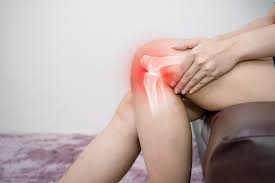
Knee stiffness is a frequent challenge following surgical procedures such as total knee replacement, ACL reconstruction, patellar tendon repair, and other orthopedic knee surgeries. This condition often develops due to post-surgical swelling, pain, scar tissue buildup, joint adhesions, and limited movement during early healing. When knee stiffness is not addressed promptly, it can slow recovery and make everyday activities like walking, standing from a chair, climbing stairs, and squatting more difficult.
As the number of knee surgeries continues to rise, effective rehabilitation strategies are essential. Outpatient physical therapy provides a structured, evidence-based approach to improving knee mobility, restoring strength, and supporting long-term functional recovery.
Causes of Postoperative Knee Stiffness
After surgery, the body initiates a healing response that includes the formation of scar tissue. In some cases, excessive scarring—referred to as arthrofibrosis—limits joint motion and interferes with normal muscle activation, particularly in the quadriceps. These changes may result in:
- Limited ability to fully bend or straighten the knee
- Ongoing pain and joint swelling
- Decreased muscle strength
- Changes in walking mechanics
- Reduced ability to perform daily and recreational activities
Early physical therapy intervention is critical to minimize these impairments and promote healthy joint recovery.
Why Outpatient Physical Therapy Is Important
Outpatient physical therapy allows patients to receive hands-on treatment in a clinical setting under the supervision of licensed physical therapists. This environment supports close monitoring of progress, appropriate progression of exercises, and access to specialized rehabilitation equipment.
Clinical research shows that supervised outpatient rehabilitation leads to meaningful improvements in knee range of motion, muscle strength, walking ability, and overall function following knee surgery. Consistent therapist guidance and individualized treatment planning are key factors in preventing long-term stiffness and movement limitations.
Core Elements of Outpatient Rehabilitation for Knee Stiffness
1. Guided Joint Movement
Restoring motion early in the recovery process helps maintain joint health, reduce stiffness, and support circulation. Therapists use controlled range-of-motion activities and joint techniques to safely improve knee bending and straightening.
2. Targeted Strength Training
Progressive strengthening programs focus on the quadriceps, hamstrings, gluteal muscles, and supporting structures around the knee. When appropriate, neuromuscular electrical stimulation (NMES) may be used to enhance muscle activation and strength gains.
3. Functional Movement Training
Rehabilitation emphasizes movements that translate directly to daily life, including:
- Walking retraining
- Stair ascent and descent
- Sit-to-stand transitions
- Balance and coordination exercises
These activities help patients move more efficiently and safely during everyday tasks.
4. Pain and Swelling Control
Managing discomfort and inflammation is an important part of outpatient care. Therapists may use interventions such as:
- Cold therapy
- Electrical stimulation modalities
These approaches help decrease swelling, reduce pain, and improve muscle performance during rehabilitation.
5. Hands-On Manual Therapy
Manual therapy is a cornerstone of outpatient treatment. Techniques such as joint mobilization, prolonged stretching, and soft tissue work help reduce joint restrictions and improve tissue mobility. When combined with therapeutic exercise, these methods contribute to meaningful improvements in knee motion.
6. Advanced Balance and Conditioning
As healing progresses, outpatient therapy can incorporate higher-level exercises aimed at improving balance, endurance, and overall lower-extremity control. These activities prepare patients for a safe return to work, sports, and recreational activities.
Advantages of Outpatient Physical Therapy
- Direct supervision by licensed clinicians
- Individualized treatment progression
- Access to clinic-based equipment and modalities
- Skilled manual therapy techniques
- Improved accountability and adherence
- Safe and effective for post-surgical and older adults
Research consistently demonstrates that supervised therapy produces better outcomes than unsupervised exercise alone, reinforcing the value of structured outpatient rehabilitation.
Summary
Postoperative knee stiffness can significantly delay recovery when left untreated. Evidence supports early and progressive outpatient physical therapy as an effective way to restore joint mobility, rebuild strength, and improve overall function. A comprehensive outpatient rehabilitation program—combining manual therapy, strengthening, functional training, and symptom management—supports a smoother and more complete recovery.
Outpatient physical therapy offers a professional, patient-focused pathway to regaining knee mobility and returning to daily activities with improved confidence and quality of life.
