
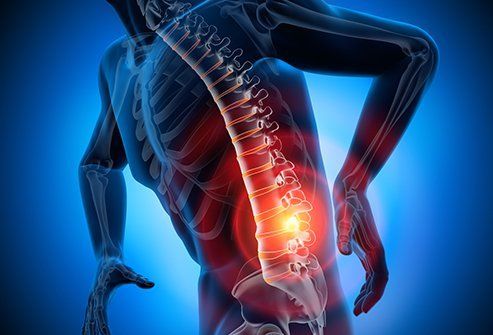
Have you ever bent down to pick something up or gotten out of bed only to feel a sudden, sharp pain radiating through your back or down your leg? Perhaps you’ve noticed a tingling sensation in your foot, numbness in your hand, or a burning ache that travels from your lower back into your hip or thigh. These symptoms can be alarming, especially when they seem to appear without warning.
If this sounds familiar, you may be experiencing what is commonly known as a pinched nerve. Although the term is frequently used, many people aren’t sure what it actually means or why it happens. Understanding the cause of your symptoms is the first step toward finding the right treatment and getting back to moving comfortably and confidently.
At ProKinetics Physical Therapy, with convenient locations in Brooklyn (Bensonhurst) and Manhattan (Chelsea), NYC, we specialize in helping patients recover from back pain, sciatica, herniated discs, and other musculoskeletal conditions through personalized rehabilitation programs designed around each individual’s needs.
What Is a Pinched Nerve?
Despite the name, a nerve isn’t always literally being “pinched.”
The medical term often used is nerve compression or nerve impingement. It occurs when surrounding tissues—such as bones, spinal discs, muscles, ligaments, or joints—place excessive pressure on a nerve.
When this happens, the nerve cannot function normally.
Because nerves act as the body’s communication system, carrying signals between your brain and muscles, compression can disrupt these signals and lead to pain, numbness, weakness, or tingling sensations.
A pinched nerve can occur almost anywhere in the body, but it is especially common in the cervical spine (neck) and lumbar spine (lower back).
Common Causes of a Pinched Nerve in the Back
Several conditions can place pressure on the spinal nerves.
1. Herniated Disc
One of the most common causes of a pinched nerve is a herniated disc.
Between each vertebra is a soft spinal disc that acts as a cushion. When the outer layer of the disc weakens or tears, the inner material can bulge outward and press against nearby nerves.
Depending on which nerve is affected, this may cause:
- Lower back pain
- Sciatica
- Leg numbness
- Muscle weakness
- Tingling sensations
Many herniated discs respond well to physical therapy without requiring surgery.
2. Degenerative Disc Disease
As we age, our spinal discs naturally lose water content and become less flexible.
This age-related change, known as degenerative disc disease, can reduce the space available for spinal nerves and contribute to nerve compression.
While this sounds concerning, many people with degenerative changes continue to live active, pain-free lives with proper treatment and exercise.
3. Bone Spurs (Osteophytes)
Over time, arthritis may cause the body to form extra bone, called osteophytes or bone spurs.
These bony growths can narrow the openings where spinal nerves exit the spine, creating pressure on nearby nerves.
This condition is commonly associated with:
- Osteoarthritis
- Cervical spondylosis
- Lumbar spondylosis
4. Spinal Stenosis
Spinal stenosis refers to a narrowing of the spinal canal.
As the available space decreases, nerves may become compressed, especially during standing or walking.
Symptoms often include:
- Back pain
- Leg pain
- Numbness
- Difficulty walking long distances
- Relief when sitting or bending forward
Spinal stenosis is more common in adults over 50 but can occur at younger ages as well.
5. Muscle Tightness and Inflammation
Not every pinched nerve is caused by spinal structures.
Tight muscles, inflammation, or swelling surrounding a nerve can also contribute to compression.
For example:
- Tight piriformis muscles may irritate the sciatic nerve.
- Muscle spasms following an injury can increase pressure on nearby nerves.
- Repetitive movements may lead to inflammation around nerve pathways.
In many cases, reducing muscle tension through physical therapy helps relieve symptoms.
6. Poor Posture
Modern lifestyles have dramatically increased posture-related back problems.
Hours spent sitting at a desk, looking down at smartphones, or working from poorly designed workstations can gradually place excessive stress on the spine.
Poor posture may contribute to:
- Forward head posture
- Rounded shoulders
- Increased spinal compression
- Muscle imbalances
- Nerve irritation
Over time, these changes can increase the likelihood of developing back pain and nerve compression.
7. Sports Injuries and Accidents
Sudden trauma can also compress or irritate spinal nerves.
Common causes include:
- Falls
- Car accidents
- Heavy lifting
- Contact sports
- Twisting injuries
- Improper lifting mechanics
Even relatively minor injuries can cause inflammation around spinal nerves, leading to temporary symptoms.
Symptoms of a Pinched Nerve
Symptoms vary depending on which nerve is affected, but common signs include:
- Sharp or burning back pain
- Pain that radiates into the arms or legs
- Tingling sensations (“pins and needles”)
- Numbness
- Muscle weakness
- Difficulty standing for long periods
- Pain when sitting
- Reduced range of motion
Many patients with lumbar nerve compression experience sciatica, where pain travels from the lower back into the buttock and down the leg.
Others with cervical nerve compression may notice symptoms extending into the shoulder, arm, or hand.
When Should You See a Physical Therapist?
While mild symptoms sometimes improve with rest, persistent nerve-related pain should never be ignored.
You should consider scheduling an evaluation if:
- Symptoms last longer than a week or two
- Pain travels into your arm or leg
- You experience numbness or tingling
- Weakness develops
- Daily activities become difficult
- Pain repeatedly returns
Early treatment often leads to faster recovery and may reduce the likelihood of long-term complications.
How Physical Therapy Helps a Pinched Nerve
Many people are surprised to learn that surgery is not the first line of treatment for most cases of nerve compression.
In fact, physical therapy is frequently recommended before considering more invasive procedures.
At ProKinetics Physical Therapy, treatment begins with a comprehensive evaluation to determine exactly what’s causing your symptoms.
We assess:
- Posture
- Joint mobility
- Muscle strength
- Flexibility
- Walking mechanics
- Core stability
- Functional movement patterns
Using this information, we develop an individualized treatment plan tailored to your condition and recovery goals.
Treatment May Include:
Manual Therapy
Hands-on techniques help improve spinal mobility, reduce muscle tension, and decrease pressure on irritated nerves.
Therapeutic Exercise
Specific strengthening exercises support the spine, improve posture, and reduce stress on affected areas.
Nerve Gliding Exercises
Also called neural mobilization, these gentle movements help improve the mobility of irritated nerves and reduce symptoms.
Core Stabilization
A stronger core provides better support for the spine and helps reduce recurring episodes of back pain.
Postural Training
Improving posture during sitting, standing, and lifting reduces unnecessary pressure on the spine and spinal nerves.
Education
Patients learn proper body mechanics, lifting techniques, workstation ergonomics, and strategies to prevent future flare-ups.
Can a Pinched Nerve Heal Without Surgery?
In many cases, yes.
Research has shown that a large percentage of patients with nerve compression improve with conservative treatment, including physical therapy, activity modification, and guided exercise.
Recovery depends on:
- The underlying cause
- Severity of compression
- Overall health
- How quickly treatment begins
- Following a personalized rehabilitation program
Ignoring symptoms, however, may allow nerve irritation to worsen over time.
Tips for Preventing Pinched Nerves
While not every case is preventable, healthy habits can reduce your risk.
Try to:
- Maintain good posture
- Exercise regularly
- Strengthen your core muscles
- Lift objects correctly
- Stretch throughout the day
- Avoid prolonged sitting
- Maintain a healthy body weight
- Use an ergonomic workstation
Small daily habits often have a significant impact on long-term spinal health.
Why Choose ProKinetics Physical Therapy?
At ProKinetics Physical Therapy, we believe that successful treatment begins with understanding the individual—not just the diagnosis.
Whether you’re dealing with a herniated disc, sciatica, spinal stenosis, chronic back pain, or a pinched nerve, our experienced therapists create customized rehabilitation programs designed to relieve pain, restore movement, and help you return to the activities you enjoy.
Serving patients throughout Brooklyn (Bensonhurst) and Manhattan (Chelsea), we combine evidence-based treatment, one-on-one care, and personalized rehabilitation to help every patient achieve the best possible outcome.
Take the First Step Toward Relief
Living with a pinched nerve can make work, exercise, sleep, and everyday activities uncomfortable—but you don’t have to simply live with the pain.
Early treatment can help relieve symptoms, restore function, and prevent future episodes before they become more serious.
If you’re experiencing persistent back pain, numbness, tingling, or radiating pain into your arms or legs, the team at ProKinetics Physical Therapy is here to help you find answers and create a recovery plan that’s tailored specifically to you.
Your spine supports you every day. Give it the expert care it deserves so you can get back to moving comfortably, confidently, and pain-free.
Author: Dr. Hossamalden Albassiouny, DPT OCS
