
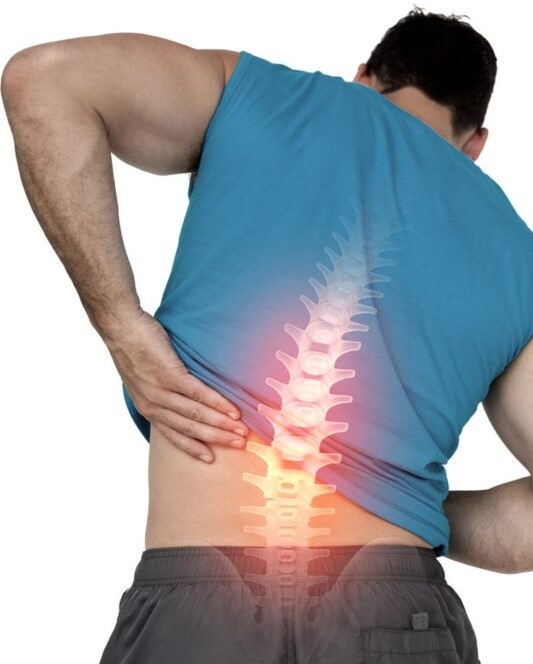
A herniated disc can be one of the most painful and limiting spinal conditions. It often shows up as sharp back pain, numbness, tingling, or even radiating pain down the leg or arm. For many people, it can feel like surgery is the only option.
But that is not always the case.
In fact, many individuals with herniated discs recover successfully without surgery through conservative, non-invasive treatment—especially when guided by skilled physical therapy.
At ProKinetics Physical Therapy in Brooklyn (Bensonhurst) and Manhattan (Chelsea), NYC, we help patients manage herniated discs through personalized rehabilitation programs designed to reduce pain, restore movement, and support long-term spinal health.
What Is a Herniated Disc?
Your spine is made up of bones called vertebrae, and between each one sits a soft, cushion-like disc. These discs act as shock absorbers, helping your spine move smoothly.
A herniated disc occurs when the soft inner material of the disc pushes through its outer layer. This can irritate nearby nerves and cause pain, weakness, or numbness.
Common symptoms include:
- Lower back pain or neck pain
- Radiating pain into the legs (sciatica) or arms
- Tingling or “pins and needles” sensation
- Muscle weakness
- Pain that worsens with sitting, bending, or lifting
Do You Always Need Surgery for a Herniated Disc?
The short answer is no.
While severe cases may require surgical intervention, most herniated discs improve with time and conservative treatment. In fact, research and clinical experience show that many patients experience significant improvement within weeks to months without surgery.
The key is the right treatment approach.
Non-Surgical Herniated Disc Treatment Options
Physical Therapy for Herniated Disc Recovery
Physical therapy is one of the most effective non-surgical treatments for herniated discs. The goal is not just to reduce pain, but to address the underlying cause of spinal stress and restore proper movement.
At ProKinetics, treatment is tailored to each patient’s condition, symptoms, and lifestyle.
Physical therapy may include:
- Gentle mobility exercises
- Core strengthening programs
- Postural correction training
- Manual therapy techniques
- Nerve gliding exercises
- Spinal stabilization training
These techniques help reduce pressure on the affected disc and improve overall spinal function.
Pain Relief Without Medication or Surgery
Many patients rely on pain medication for temporary relief, but physical therapy focuses on long-term healing.
Through guided movement and targeted exercise, physical therapy can:
- Reduce inflammation naturally
- Decrease nerve irritation
- Improve circulation to injured tissues
- Restore functional movement
- Strengthen muscles that support the spine
The goal is to help your body heal itself more effectively.
Core Strength in Disc Recovery
One of the most important factors in recovering from a herniated disc is core strength.
Your core muscles act like a natural support system for your spine. When they are weak, your spine experiences more pressure and instability.
A customized rehabilitation program focuses on:
- Strengthening deep abdominal muscles
- Improving pelvic stability
- Supporting lower back alignment
- Reducing stress on spinal discs
Stronger core muscles mean better protection for your spine and less risk of future injury.
Manual Therapy for Spinal Pain Relief
Hands-on treatment can also play a key role in recovery.
Manual therapy techniques help:
- Reduce muscle tension
- Improve spinal mobility
- Decrease stiffness
- Relieve pressure around irritated nerves
When combined with exercise therapy, manual treatment can significantly improve comfort and movement.
Lifestyle and Movement Adjustments
Recovery from a herniated disc isn’t just about exercises—it’s also about how you move throughout your day.
Physical therapists help patients learn how to:
- Sit with better posture
- Lift objects safely
- Avoid movements that aggravate pain
- Adjust work and home ergonomics
- Improve daily movement habits
These small changes can make a major difference in preventing flare-ups.
How Long Does Recovery Take Without Surgery?
Recovery time varies depending on the severity of the herniation and the patient’s overall health.
Many patients begin to notice improvement within a few weeks of consistent physical therapy, while more significant recovery may take several months.
The important part is steady progress, not quick fixes.
When Should You Consider Physical Therapy?
You should seek treatment if you experience:
- Persistent lower back or neck pain
- Pain that radiates into your arms or legs
- Numbness or tingling sensations
- Difficulty standing, walking, or sitting
- Pain that worsens with movement
- Reduced strength or flexibility
Early intervention often leads to better outcomes and may help you avoid surgical treatment altogether.
Personalized Care Makes All the Difference
No two herniated discs are exactly the same. That’s why individualized treatment is essential.
At ProKinetics Physical Therapy, we take a personalized approach to recovery. We assess your movement patterns, symptoms, and goals before designing a tailored rehabilitation plan that supports your healing journey.
Our focus is not just pain relief, but long-term recovery and prevention.
Take the First Step Toward a Pain-Free Spine
Living with a herniated disc can be painful and frustrating, but surgery is not always the answer.
With the right physical therapy approach, many patients are able to recover naturally, regain strength, and return to their normal activities without invasive procedures.
If you’re looking for expert herniated disc treatment without surgery in Brooklyn, Bensonhurst, or Manhattan, ProKinetics Physical Therapy is here to help you move better, feel stronger, and recover with confidence.
Author: Dr. Hossamalden Albassiouny, DPT OCS
