
If you’ve ever taken your first few steps in the morning and felt a sharp pain in your heel, you’re not alone. Many people experience this type of discomfort and assume it will go away on its own. While occasional foot pain can happen, persistent heel pain is often a sign of plantar fasciitis—a common condition that affects millions of people every year.
Whether you’re an avid runner, spend long hours on your feet, or simply enjoy staying active, plantar fasciitis can make everyday activities uncomfortable and frustrating. The good news is that most cases can be successfully treated without surgery through personalized physical therapy and targeted rehabilitation.
At ProKinetics Physical Therapy in Brooklyn (Bensonhurst) and Manhattan (Chelsea), NYC, we help patients overcome plantar fasciitis and return to the activities they love with less pain and better mobility.
What Is Plantar Fasciitis?
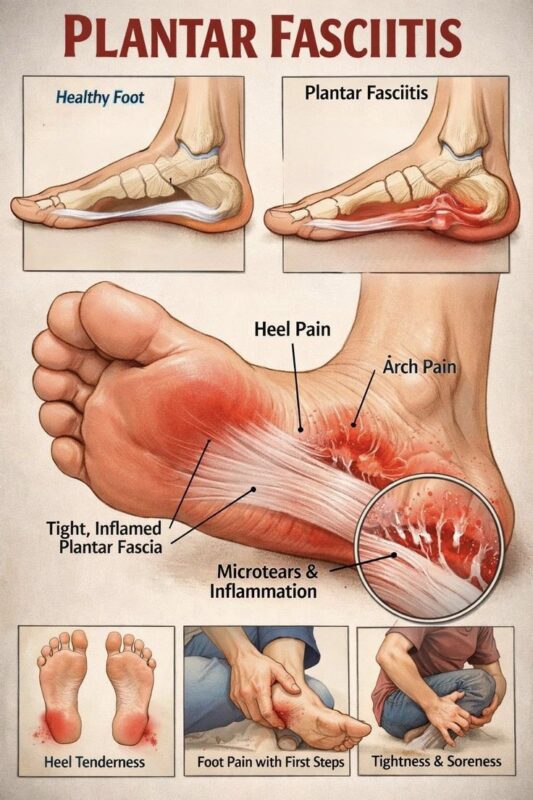
The plantar fascia is a thick band of tissue that runs along the bottom of your foot, connecting your heel bone to your toes. It acts like a natural shock absorber and helps support the arch of your foot.
When this tissue becomes irritated or inflamed due to excessive stress, plantar fasciitis develops.
Common Causes of Plantar Fasciitis
Several factors can increase your risk of developing plantar fasciitis, including:
- Prolonged standing or walking
- Running and high-impact sports
- Tight calf muscles
- Flat feet or high arches
- Improper footwear
- Sudden increases in physical activity
- Excess body weight
- Poor foot mechanics
Often, plantar fasciitis develops gradually rather than from a single injury.
Experiencing similar pain?
Our licensed physical therapists can evaluate your condition and build a custom recovery plan.
Book BensonhurstBook ChelseaCommon Symptoms of Plantar Fasciitis
The most recognizable symptom is heel pain, especially during the first steps after waking up or after long periods of sitting.
Other symptoms may include:
- Sharp pain at the bottom of the heel
- Pain after exercise rather than during activity
- Foot stiffness in the morning
- Tenderness along the arch of the foot
- Increased discomfort after prolonged standing
Without treatment, symptoms can worsen and begin affecting daily movement and activity levels.
How Physical Therapy Helps Treat Plantar Fasciitis
Physical therapy is considered one of the most effective non-surgical treatments for plantar fasciitis because it addresses the underlying causes of the condition.
Stretching and Mobility Exercises
Tight calf muscles and restricted ankle mobility often contribute to excessive stress on the plantar fascia.
Targeted stretching helps:
- Improve flexibility
- Reduce tension in the foot
- Restore normal movement patterns
Strengthening Exercises
Weak muscles in the feet, ankles, and lower legs can affect how your body absorbs impact.
Strengthening exercises help:
- Improve foot stability
- Support the arch
- Reduce strain on the plantar fascia
Manual Therapy
Hands-on treatment techniques can help improve tissue mobility, reduce stiffness, and promote healing.
Gait and Movement Analysis
Physical therapists evaluate how you walk and move to identify biomechanical issues that may be contributing to pain.
Why Early Treatment Matters
Many people continue to push through heel pain, hoping it will improve on its own. Unfortunately, untreated plantar fasciitis can become chronic and much harder to manage.
Early intervention often leads to:
- Faster recovery
- Reduced pain
- Improved mobility
- Lower risk of recurring symptoms
Find Relief at ProKinetics Physical Therapy
At ProKinetics Physical Therapy, we provide personalized plantar fasciitis treatment programs designed around your unique needs and activity goals. Whether you’re a runner, athlete, healthcare worker, or someone who spends long hours on their feet, we’re here to help you recover and stay active.
If heel pain is limiting your daily life, don’t wait. The sooner treatment begins, the sooner you can get back to moving comfortably.
Author: Dr. Hossamalden Albassiouny, DPT OCS
Ready to get back to what you love?
Take the first step toward lasting relief with personalized physical therapy in Bensonhurst & Chelsea.
Book BensonhurstBook Chelsea