
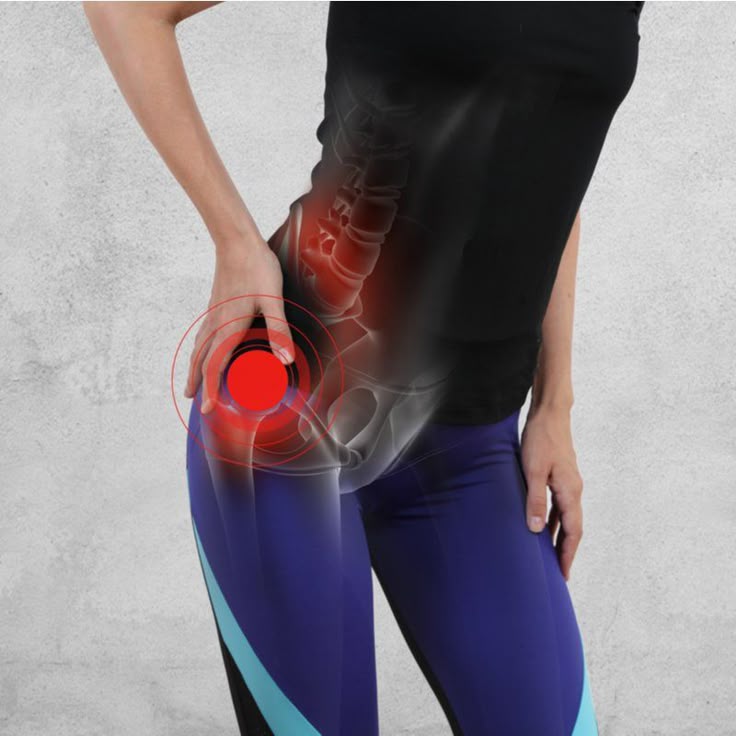
Hip pain can have a surprising impact on your daily life. It can make walking uncomfortable, limit your ability to exercise, affect your sleep, and even make simple activities like climbing stairs or getting out of a chair more difficult than they should be.
For many people, hip pain develops gradually and becomes something they simply learn to live with. However, ongoing discomfort is often a sign that the body needs attention.
The good news is that many causes of hip pain can be effectively treated through physical therapy, helping patients avoid unnecessary medications or surgery while improving their quality of life.
At ProKinetics Physical Therapy in Brooklyn (Bensonhurst) and Manhattan (Chelsea), NYC, we help patients identify the root cause of hip pain and develop customized treatment plans that support lasting recovery.
Common Causes of Hip Pain
Hip pain can result from a variety of conditions, including:
Arthritis
Hip arthritis occurs when the protective cartilage within the joint begins to wear down, leading to stiffness, discomfort, and reduced mobility.
Muscle Strains
Overuse, sports injuries, or sudden movements can strain muscles surrounding the hip joint, causing pain and weakness.
Tendonitis
Inflammation of the tendons around the hip can cause pain during walking, exercise, or prolonged sitting.
Hip Bursitis
Bursae are small fluid-filled sacs that help reduce friction around joints. When they become inflamed, hip bursitis can develop and lead to tenderness and pain.
Poor Movement Patterns
Weak muscles, poor posture, and biomechanical imbalances can place unnecessary stress on the hip joint and surrounding tissues.
Signs You May Benefit from Physical Therapy
You may want to seek physical therapy if you experience:
- Persistent hip pain
- Difficulty walking
- Reduced range of motion
- Pain during exercise
- Stiffness after sitting
- Trouble climbing stairs
- Pain that interferes with sleep
Early treatment can often prevent symptoms from worsening and improve overall outcomes.
How Physical Therapy Helps Relieve Hip Pain
Physical therapy focuses on addressing the source of pain rather than simply masking symptoms.
Personalized Evaluation
Every patient begins with a thorough assessment to identify the factors contributing to hip pain.
Strengthening Programs
Strengthening the muscles that support the hips can reduce joint stress and improve stability.
Mobility and Flexibility Training
Improving flexibility helps restore normal movement and reduces tension in surrounding tissues.
Manual Therapy
Hands-on techniques can help improve joint mobility, decrease stiffness, and alleviate discomfort.
Balance and Functional Training
Improving balance and movement mechanics can reduce strain on the hips during daily activities.
Why Individualized Treatment Matters
No two cases of hip pain are exactly alike.
Some patients are recovering from sports injuries, while others are dealing with age-related joint changes or chronic movement dysfunctions. A personalized treatment plan ensures that therapy is tailored to each patient’s condition, lifestyle, and recovery goals.
At ProKinetics, individualized care is at the center of everything we do.
The Benefits of Physical Therapy for Hip Pain
Patients who participate in physical therapy often experience:
- Reduced pain
- Improved mobility
- Better flexibility
- Increased strength
- Enhanced balance
- Improved quality of life
- Reduced risk of future injuries
Most importantly, physical therapy empowers patients to take an active role in their recovery.
Start Your Journey Toward Hip Pain Relief
Living with hip pain can be frustrating, but it doesn’t have to become your new normal.
At ProKinetics Physical Therapy, we help patients throughout Brooklyn and Manhattan regain confidence in their movement through evidence-based, personalized rehabilitation programs.
Whether your hip pain is recent or something you’ve been dealing with for years, our team is committed to helping you move better, feel stronger, and return to the activities you enjoy most.
Your path toward lasting hip pain relief starts with understanding the cause—and finding the right treatment to address it.
Author: Dr. Hossamalden Albassiouny, DPT OCS
