
When you’re recovering from an injury, surgery, or chronic pain condition, one of the most important factors influencing your success is the type of treatment you receive. While many healthcare approaches rely on standardized protocols, physical therapy is most effective when it is tailored to the individual.
After all, no two people are exactly alike.
Two patients may share the same diagnosis, yet have completely different lifestyles, activity levels, movement patterns, pain levels, and recovery goals. A treatment plan that works exceptionally well for one person may not be the best solution for another.
This is where customized physical therapy makes all the difference.
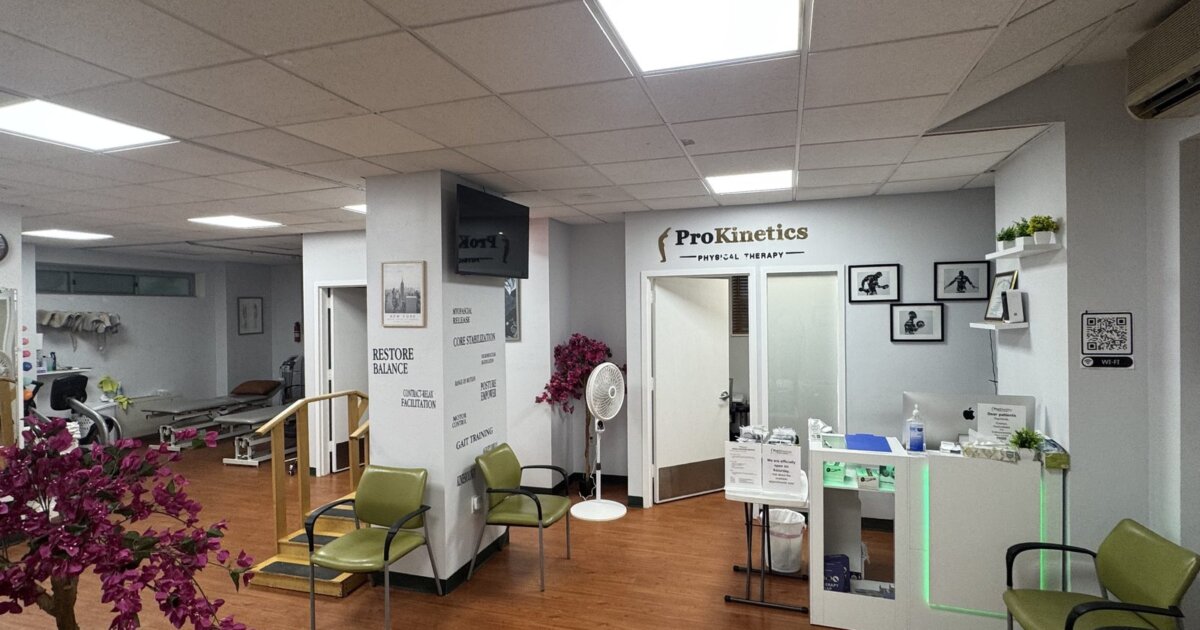
At ProKinetics Physical Therapy in Brooklyn (Bensonhurst) and Manhattan (Chelsea), NYC, we believe rehabilitation should be built around the patient—not just the diagnosis. Our individualized approach allows us to address each person’s unique needs, helping them achieve better results, recover more efficiently, and return to the activities they enjoy with greater confidence.
The Problem with One-Size-Fits-All Treatment
Imagine two patients arrive at a clinic with lower back pain.
One is a construction worker who spends long days lifting heavy materials, climbing ladders, and performing physically demanding tasks. The other works remotely from home and spends eight or more hours each day sitting at a desk.
Although both patients may have similar symptoms, the underlying causes of their pain could be entirely different.
The construction worker’s discomfort may be linked to repetitive lifting mechanics and muscular strain, while the office worker’s pain may stem from prolonged sitting, poor posture, and weakened core muscles.
If both patients receive the exact same treatment plan, one—or both—may not experience the results they need.
That’s why effective rehabilitation goes beyond simply identifying a diagnosis. It requires understanding the person behind the injury and developing a treatment strategy that addresses their specific circumstances.
Personalized Evaluations Create a Strong Foundation for Recovery
Every successful rehabilitation program begins with a thorough evaluation.
Before creating a treatment plan, physical therapists take the time to understand how your body moves, where limitations exist, and what factors may be contributing to your symptoms.
A comprehensive assessment typically includes:
Experiencing similar pain?
Our licensed physical therapists can evaluate your condition and build a custom recovery plan.
Book BensonhurstBook Chelsea- Strength testing
- Joint mobility evaluation
- Flexibility assessment
- Postural analysis
- Balance and coordination testing
- Functional movement screening
- Medical history review
- Lifestyle considerations
- Personal recovery goals
This detailed information helps identify the root cause of pain or dysfunction rather than simply focusing on the area where symptoms appear.
For example, knee pain may actually be related to weakness in the hips, while shoulder discomfort may be influenced by poor posture and upper back mobility restrictions.
By identifying these contributing factors early, physical therapists can develop a treatment plan that addresses the true source of the problem.
More Effective Pain Relief Through Targeted Treatment
One of the biggest advantages of customized physical therapy is that it focuses on the cause of pain rather than simply managing symptoms.
Many people rely on temporary solutions such as rest, pain medication, or activity avoidance. While these approaches may provide short-term relief, they often fail to address the underlying issue.
Personalized rehabilitation helps uncover why the pain developed in the first place.
Treatment may focus on:
- Correcting movement dysfunctions
- Improving joint mobility
- Strengthening weak muscle groups
- Reducing muscular imbalances
- Improving flexibility
- Enhancing body mechanics
When treatment targets the actual source of discomfort, patients often experience more meaningful and longer-lasting improvements.
Instead of repeatedly treating symptoms, customized physical therapy helps create lasting change.
Faster Functional Recovery
Most patients don’t simply want their pain to decrease—they want to get back to living their lives.
For some people, that means returning to competitive sports. For others, it means being able to walk comfortably, pick up their grandchildren, complete household tasks, or perform their job without limitations.
Customized physical therapy focuses on helping patients achieve these real-world goals.
Your treatment plan may be designed around:
- Returning to athletic performance
- Recovering after surgery
- Returning to work safely
- Improving daily mobility
- Enhancing balance and stability
- Increasing strength and endurance
- Preventing future injuries
Because therapy is tailored to your specific objectives, every exercise and treatment technique serves a clear purpose within your recovery journey.
This targeted approach often leads to more efficient progress and better overall outcomes.
Greater Patient Engagement and Motivation
One of the most overlooked benefits of personalized rehabilitation is patient engagement.
When people understand how their treatment relates directly to their goals, they are more likely to stay committed to the process.
Imagine being prescribed a list of generic exercises without understanding why you’re doing them. Motivation can quickly disappear.
Now imagine a therapist explaining exactly how a specific exercise will help you return to running, reduce your back pain at work, or improve your ability to play with your children.
That sense of purpose can make a tremendous difference.
Patients who feel involved in their treatment often:
- Participate more actively
- Follow home exercise programs more consistently
- Attend appointments regularly
- Stay motivated throughout recovery
The result is often a more successful rehabilitation experience.
Long-Term Injury Prevention
Recovery is about more than simply eliminating pain.
One of the most valuable aspects of customized physical therapy is its focus on preventing future injuries and recurring problems.
Many injuries occur because of:
- Muscle imbalances
- Poor posture
- Improper movement mechanics
- Weakness in key muscle groups
- Limited mobility
- Repetitive stress patterns
Without addressing these factors, symptoms may eventually return.
Personalized treatment helps identify these risk factors and develop strategies to correct them before they lead to future issues.
This proactive approach allows patients to build stronger, healthier movement patterns that support long-term wellness.
Why Individualized Care Matters at Every Stage of Life
Customized physical therapy benefits people of all ages and activity levels.
Whether you’re:
- A young athlete recovering from a sports injury
- A working professional dealing with neck or back pain
- A parent managing physical demands at home
- An older adult seeking to improve mobility and balance
- Recovering from surgery
your rehabilitation plan should reflect your unique needs and goals.
No two recovery journeys look exactly the same, and treatment should never be treated as a one-size-fits-all process.
The ProKinetics Difference
At ProKinetics Physical Therapy, individualized care is at the center of everything we do.
Our team understands that every patient arrives with a different story, different challenges, and different goals. That’s why we take the time to develop customized treatment plans that address the whole person—not just the injury.
Whether you’re recovering from surgery, managing chronic pain, overcoming a sports injury, or simply looking to move better, we are committed to helping you achieve meaningful and lasting results.
Our goal is not only to help you recover but also to help you build strength, confidence, and healthy movement habits that support your long-term physical success.
Because when rehabilitation is designed around the individual, recovery becomes more effective, more empowering, and ultimately more successful.
Author: Dr. Hossamalden Albassiouny, DPT OCS
Ready to get back to what you love?
Take the first step toward lasting relief with personalized physical therapy in Bensonhurst & Chelsea.
Book BensonhurstBook Chelsea