
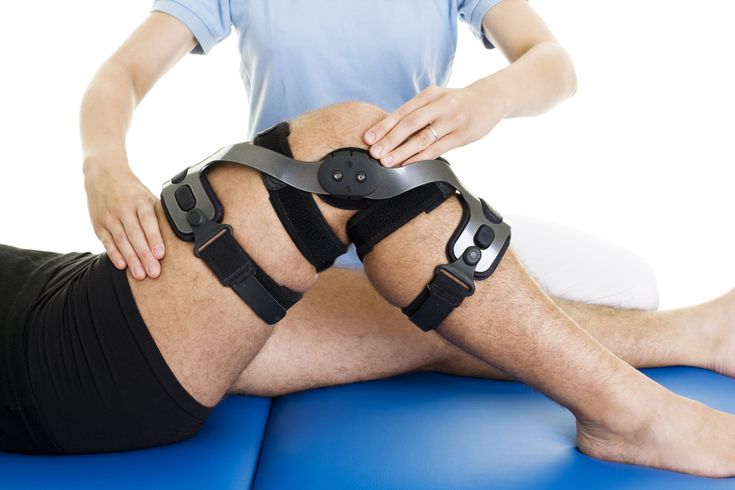
An injury can affect much more than your ability to exercise or participate in sports. It can change how you sit at a desk, lift supplies, stand for long periods, climb stairs, drive, use equipment, or perform the repetitive tasks required by your job.
For some people, the biggest concern during recovery is not simply getting out of pain. It is being able to return to work and perform their responsibilities without constantly worrying about making the injury worse.
This is where physical therapy can become an important part of the recovery process.
Rather than focusing only on symptoms, physical therapy can help restore the strength, mobility, endurance, coordination, and movement skills needed for everyday and work-related activities.
At ProKinetics Physical Therapy, rehabilitation is built around the individual. The goal is to help patients recover physical function and gradually return to the activities that matter to them, including work.
Why Returning to Work Requires More Than Pain Relief
Pain can improve before your body is completely ready for the demands of your job.
You might feel better walking around your home but struggle after standing for several hours. You might be able to lift a light object but experience discomfort when repeatedly lifting throughout the workday.
This difference is important.
Workplaces place different demands on the body. A construction worker, office employee, teacher, warehouse employee, healthcare worker, driver, and restaurant employee may all require very different physical abilities.
A successful return to work therefore involves more than asking whether the pain has decreased.
It also involves asking:
Can you tolerate the physical demands of your job?
Can you perform important movements with appropriate control?
Do you have enough strength and endurance?
Can you maintain positions required during your workday?
Can you complete repetitive tasks without excessive strain?
Can you safely transition between different activities?
These factors can be addressed during a personalized rehabilitation program.
Common Work-Related Physical Challenges
Different occupations can place stress on different areas of the body.
Prolonged Sitting
Office and computer-based work can involve sitting for extended periods. After an injury, maintaining one position may become uncomfortable, particularly if mobility or muscular endurance has decreased.
Physical therapy can address movement limitations and help patients build the capacity needed to tolerate their work environment.
Repetitive Movements
Repetitive reaching, typing, lifting, gripping, bending, or other tasks can place repeated demands on muscles and joints.
Rehabilitation can focus on strength, movement control, flexibility, and appropriate mechanics to help prepare the body for these activities.
Lifting and Carrying
Jobs involving physical labor often require lifting, carrying, pushing, or pulling.
Being able to perform these activities safely requires more than isolated muscle strength. It also requires coordination between the legs, hips, trunk, shoulders, and arms.
Physical therapy can gradually introduce functional strengthening exercises that reflect the patient’s work demands.
Standing for Long Periods
Some occupations require employees to remain on their feet for much of the day.
After an injury or period of inactivity, reduced muscular endurance can make prolonged standing surprisingly difficult.
A rehabilitation program can gradually improve strength and tolerance for weight-bearing activities.
Experiencing similar pain?
Our licensed physical therapists can evaluate your condition and build a custom recovery plan.
Book BensonhurstBook ChelseaFrequent Bending or Squatting
Jobs involving floor-level tasks, stocking, cleaning, childcare, maintenance, or physical labor may require repeated bending and squatting.
Therapy can help patients improve the mobility, strength, and control needed to perform these movements more efficiently.
Physical Therapy Can Rebuild Work-Related Strength
After an injury, people often lose strength because they naturally reduce activity.
This can create a frustrating cycle.
You move less because something hurts. As activity decreases, your muscles may become weaker and your endurance may decline. Then normal work activities feel more demanding when you try to resume them.
Physical therapy provides a structured way to rebuild capacity.
Exercises may progress from basic movements to more demanding activities as your strength and tolerance improve.
Depending on the patient’s needs, rehabilitation might include:
Squatting and sit-to-stand exercises.
Step-ups.
Resistance exercises.
Core stabilization.
Upper-body strengthening.
Carrying activities.
Functional lifting.
Balance and coordination exercises.
Cardiovascular conditioning.
Work-specific movement practice.
The exercises are adjusted according to the patient’s condition, current abilities, and goals.
Building Endurance Is Part of Recovery
Strength is only one component of being ready for work.
Your body also needs to tolerate activity for the duration of your workday.
Someone may be capable of lifting an object once but struggle after performing the same movement repeatedly.
This is where muscular and cardiovascular endurance become important.
A physical therapist can gradually increase activity duration, repetitions, resistance, or complexity as appropriate.
The objective is to build capacity without advancing faster than the body can safely tolerate.
Learning Better Movement Strategies
Sometimes returning to work means changing how you perform a task.
For example, you may need to learn how to:
Lift while maintaining better control of your trunk and lower body.
Use your legs more effectively when moving an object.
Position your body appropriately when reaching.
Alternate positions during prolonged work.
Take appropriate movement breaks.
Use equipment or environmental adjustments when appropriate.
These strategies can help reduce unnecessary physical stress while allowing you to perform your responsibilities.
What If You Still Have Some Pain?
Pain does not always disappear completely before someone returns to normal activities.
However, persistent or worsening pain should not simply be ignored.
Your physical therapist can help determine whether a particular activity is appropriate for your stage of recovery and whether the exercise or workload needs to be modified.
The goal is to gradually improve your ability to tolerate activity rather than repeatedly pushing through symptoms without understanding their cause.
Your rehabilitation plan should also account for any restrictions or recommendations provided by your physician or other healthcare professional.
Preparing for a Safe Return to Work
Returning to work can be viewed as a progression rather than a single event.
Depending on the injury and occupation, your rehabilitation may gradually increase the physical demands placed on your body.
For example, someone recovering from a lower-extremity injury may begin with controlled weight-bearing exercises before progressing to stairs, lifting, carrying, and longer periods of standing.
Someone recovering from an upper-extremity problem may progress from gentle range-of-motion exercises to strengthening, gripping, reaching, and task-specific activities.
The exact progression depends on the individual.
There is no universal timeline that applies to every injury.
Why Work-Specific Rehabilitation Matters
One of the advantages of individualized physical therapy is that treatment can be connected to the patient’s actual goals.
If your job requires frequent lifting, your rehabilitation should eventually address lifting.
If your work involves prolonged sitting, your treatment may need to address tolerance for sustained positions and regular movement.
If you spend your day walking, standing, reaching, or climbing stairs, those demands should be considered when developing your recovery plan.
The closer rehabilitation comes to the activities you need to perform, the more meaningful those exercises can become.
Physical Therapy Can Help Restore Confidence
Physical recovery and confidence often develop together.
After an injury, it is normal to become cautious. You may hesitate before lifting something, avoid certain positions, or worry about repeating the movement that originally caused your symptoms.
That uncertainty can make returning to work more stressful.
Progressive rehabilitation gives you opportunities to practice movements in a controlled setting. As your strength, mobility, coordination, and tolerance improve, you can begin to feel more comfortable using your body again.
Confidence should come from progress and preparation, not from simply forcing yourself through difficult activities.
When Should You Start Physical Therapy?
If an injury is affecting your ability to work, it may be worth discussing physical therapy early in the recovery process.
You may benefit from an evaluation if you are experiencing:
Persistent pain that interferes with work.
Reduced strength.
Limited joint movement.
Difficulty lifting or carrying.
Trouble standing or walking for extended periods.
Difficulty performing repetitive tasks.
Reduced endurance.
Fear or uncertainty about returning to normal activities.
Difficulty completing your regular job responsibilities.
Early evaluation can help identify the physical limitations affecting your work and establish an appropriate rehabilitation strategy.
Get Back to Doing What Your Life Requires
Recovery is not simply about reaching a point where an injury hurts less.
For many people, successful recovery means being able to return to the responsibilities, routines, hobbies, and activities that make up everyday life.
Work is an important part of that picture.
At ProKinetics Physical Therapy, we provide individualized rehabilitation for patients in Bensonhurst, Brooklyn and Chelsea, Manhattan. Our approach focuses on helping patients improve strength, mobility, physical function, and confidence while progressing toward their personal goals.
Whether you are recovering from an injury, surgery, chronic condition, or period of inactivity, your rehabilitation can be designed around the activities you need to perform.
Getting back to work should not mean simply hoping your body is ready.
With the right rehabilitation plan, you can work toward rebuilding the physical capacity and movement confidence needed for your next step.
ProKinetics Physical Therapy
Bensonhurst, Brooklyn Location:
7819 Bay Parkway, Brooklyn, NY 11214
Phone: (718) 576-1150
Chelsea, Manhattan Location:
359 W 23rd St, New York, NY 10011
Phone: (718) 223-4299
Serving patients in Bensonhurst, Brooklyn and Chelsea, Manhattan, NYC.
Author: Dr. Hossamalden Albassiouny, DPT OCS
Ready to get back to what you love?
Take the first step toward lasting relief with personalized physical therapy in Bensonhurst & Chelsea.
Book BensonhurstBook Chelsea